
Author
WAFEER Editorial Team
Published
January 14, 2026
Tags
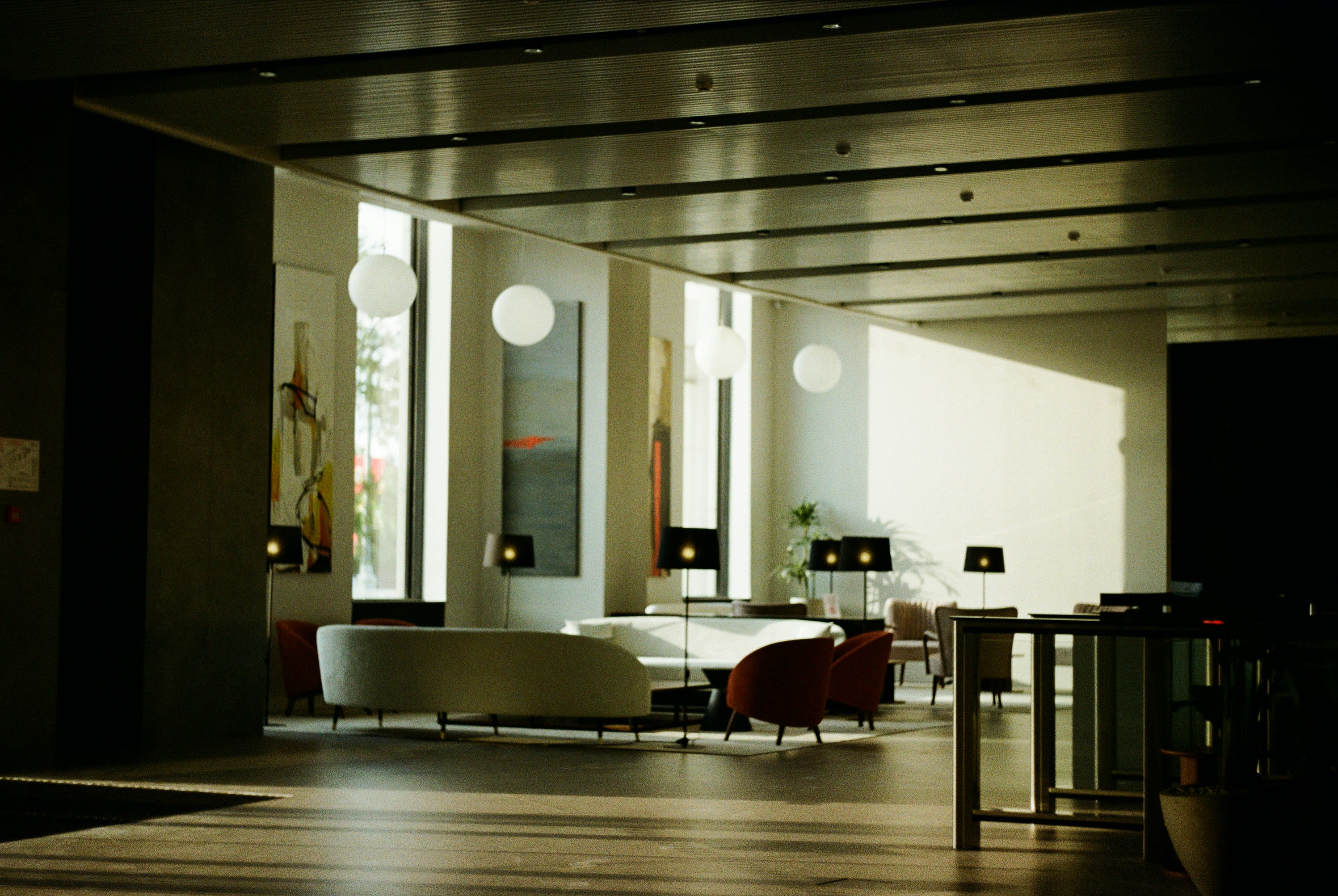
Why acoustic zoning matters
Guests expect energy in social areas and calm in private zones.
Acoustic zoning lets both experiences coexist inside one property.
The strongest hospitality layouts define sound boundaries early before finishes and furniture are finalized.
- Keep lobby lounge and dining reflections controlled with layered absorption.
- Place quiet rooms behind acoustic buffers not directly against high traffic social zones.
- Use flexible partition systems where event demand changes by day or season.
Design moves that keep the space premium
Luxury spaces should not look technical.
Integrate acoustic treatments into joinery wall textures and custom ceiling geometry.
When sound control is planned as part of architecture performance improves and the guest only notices comfort.
A premium acoustic result should feel effortless to the guest and highly intentional to the operator.
Execution checklist for project teams
Coordinate acoustic intent with MEP and lighting teams to avoid late-stage clashes.
Request performance targets per zone not one broad building-level number.
Ready for a project discussion?
Share your scope and constraints. The WAFEER team can propose an acoustic strategy aligned with your timeline and design intent.
Talk to our team